Maintenance Tips From a Pool Company
Owning a swimming pool is a wonderful addition to any home, providing relaxation and entertainment. However, it also comes with the responsibility of regular maintenance. Consistent care helps prolong the life of your pool, ensures safe swimming conditions, and keeps the water looking clean and inviting. Whether you have a large or small pool, following proper maintenance strategies will help you get the most enjoyment from your aquatic space. According to Jobera, 8% of U.S. homes have a swimming pool, and in-ground pools are 3.5 times more expensive than above-ground options, reflecting the premium nature and long-term investment of in-ground installation. By taking the time to establish a routine and staying attentive to the pool's needs, you can make pool ownership a more rewarding and stress-free experience.
Maintaining Water Chemistry
Balancing pH Levels Consistently
Keeping your pool's pH balanced is essential for comfort and water clarity. Ideally, the pH should remain between 7.2 and 7.8. Proper pH levels ensure that chlorine works effectively, keeping bacteria and pathogens under control. Regular testing and adjustments prevent issues such as eye or skin irritation and help maintain an enjoyable swimming experience. Even small fluctuations can affect how the water feels and looks, so regular attention helps keep your pool inviting for all users. Working with a knowledgeable pool company can help guide monitoring and adjustments to maintain the ideal balance.
Monitoring Alkalinity Accurately
Alkalinity acts as a buffer for pH levels, helping to prevent large fluctuations. Maintaining alkalinity within the recommended range keeps water conditions stable and reduces the risk of corrosion or scaling. Routine testing and adjustment of alkalinity are key parts of effective pool care. By paying attention to alkalinity, pool owners can maintain a more predictable water environment, which also supports the longevity of pool surfaces and equipment over time. Regular checks and adjustments recommended by a pool company ensure that water chemistry remains consistent.
Cleaning the Pool
Skimming the Surface Daily
Remove debris such as leaves, insects, and dirt from the water surface daily. This prevents organic matter from decomposing, which can lead to algae growth and increased strain on your filtration system. A long-handled skimmer is an essential tool for reaching all areas of the pool efficiently. Consistent skimming also improves the overall appearance of your pool, making it more inviting and reducing the need for intensive cleaning later. Pool professionals can provide tips for effective skimming techniques and routine maintenance schedules.
Vacuuming the Pool Floor Thoroughly
Vacuuming helps remove dirt and sediment that has settled on the pool floor. Both manual and automatic vacuums are effective, with the choice depending on pool size, design, and personal preference. Regular vacuuming supports cleaner water and a healthier swimming environment. Taking a few extra minutes to vacuum thoroughly can significantly improve water quality and reduce long-term maintenance efforts. Pool experts often recommend specific vacuuming practices based on your pool's layout and filtration system.
Managing Filter Maintenance
Cleaning Filters Properly
Regular cleaning of your pool filter is essential for keeping the water clear. Follow manufacturer guidelines for washing or cleaning to remove trapped debris. Proper filter maintenance ensures efficient circulation and filtration, protecting both your pool and equipment. Consistent filter care allows the water to remain inviting while minimizing stress on pumps and other critical components. Consulting a pool company can help ensure that washing is done correctly and on the proper schedule.
Performing Routine Filter Inspections
Check your filter and related equipment for signs of wear, damage, or leaks. Inspections help catch potential issues early, preventing larger problems and maintaining water quality. Maintaining your filter is a key part of ongoing pool care. Frequent visual checks can provide reassurance that all systems are functioning as intended and allow for timely intervention if any small problems arise. Pool professionals can assist in scheduling regular inspections to maintain consistent water quality and equipment function.
Replacing Filters When Necessary
Filters have a finite lifespan, and timely replacement is important to ensure optimal performance. Monitor your filter regularly and replace it according to manufacturer recommendations to maintain water clarity and system efficiency. Keeping filters in good condition supports overall water circulation and helps prevent unnecessary strain on other pool components. Pool company specialists can advise on filter replacement timelines and recommend compatible replacement parts.
Inspecting Pumps and Plumbing
Conducting Regular Pump Inspections
Inspect your pool pump frequently for leaks, unusual noises, or reduced performance. A properly functioning pump is critical for water circulation and overall pool health. Addressing issues promptly prevents more costly repairs down the line. Even routine observations can give valuable insight into the health of your pool system, allowing minor adjustments before they become significant concerns. Pool professionals can help identify subtle warning signs and suggest preventive measures.
Executing Seasonal Pump Maintenance
Adjust pump care based on seasonal needs. Before the swimming season, ensure all components operate smoothly. In colder months, winterization steps, such as draining water from the pump and protecting it from freezing, help preserve equipment life. Attending to seasonal tasks allows your pool to function efficiently throughout the year and can make spring opening and winter closing less time-consuming. Pool company guidance ensures that seasonal procedures are executed correctly for longevity.
Preparing the Pool for Seasonal Changes
Opening the Pool for Swimming Season
Prepare your pool by removing covers, inspecting equipment, and testing water chemistry. Address any issues before swimmers enter to ensure a safe and enjoyable start to the season. Taking extra care during opening helps set the tone for the entire swimming season and can make ongoing maintenance easier and more predictable. Pool professionals can provide guidance on effective opening procedures and checks for equipment readiness.
Closing the Pool for Winter
Winterizing your pool involves cleaning, balancing water chemistry, and covering the pool to protect it from debris and cold temperatures. Proper winterization helps prevent damage and ensures a smooth reopening in the spring. Following a consistent winterization routine can reduce maintenance challenges when the pool is reopened and protect your investment throughout the off-season. A pool company can assist with winterization strategies tailored to your specific pool.
Adjusting Maintenance for Weather Variations
Weather conditions can affect your pool's water balance. Adjust cleaning schedules and chemical monitoring to account for seasonal variations, rainfall, and temperature changes to maintain consistent water quality. Being aware of local weather patterns and adjusting your maintenance approach accordingly can improve the overall condition and appearance of the pool. Pool company expertise can help tailor these adjustments to your location and pool type.
Conducting Safety and Equipment Checks
Inspecting Ladders, Handrails, and Equipment
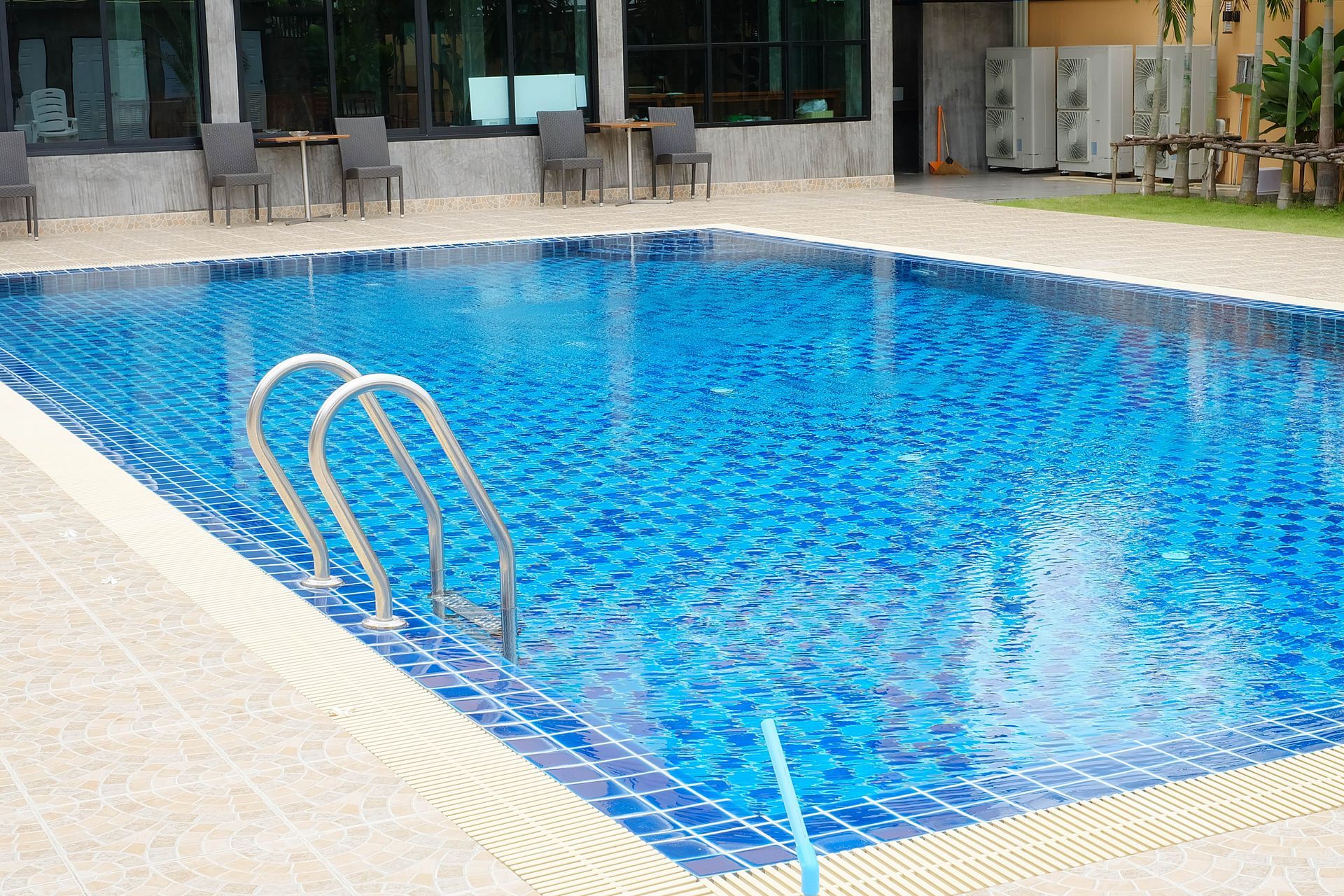
Ensure that ladders, handrails, and other pool equipment are secure and in good condition. Regular inspections help prevent accidents and ensure safe access for all swimmers. Simple routine checks not only support safety but can also provide peace of mind for anyone in the pool. Pool professionals can recommend inspection routines and highlight potential hazards for timely correction.
Storing Pool Chemicals Safely and Organized
Store pool chemicals in a cool, dry location away from direct sunlight and incompatible substances. Clearly label containers and follow all safety instructions to maintain a safe swimming environment. Organized and careful storage ensures that chemicals remain effective and reduces the risk of accidental spills or misuse. Pool professionals can provide advice on proper chemical management and handling.
Maintaining your pool properly helps ensure a safe, clean, and enjoyable swimming environment throughout the year. Paying attention to water chemistry, cleaning, filtration, pump care, and seasonal preparation makes pool ownership easier and more rewarding. To learn more about professional maintenance, repairs, or new pool construction, visit Salty Reef Pools, LLC and explore how our expertise as a pool company can help keep your pool at its best.
Share On: